The new battle for branding is no longer just for human memory—it’s for the memory of algorithms.
Introduction: It’s not enough to be seen, you have to be remembered
We live in a world where voice assistants choose brands for us, artificial intelligence fills in answers with automated suggestions, and algorithms shape what we consume. In this scenario, the most memorable brands are also the most recommended. This is no coincidence: it’s strategy.
The concept of Mind to Machine sums up this change. What used to be branding for humans now also needs to be branding for machines. And that requires a new approach. An approach that brands need to master in order to remain relevant.
In this article, you will understand:
- Why AI memory depends on human memory;
- How symbolic visibility influences algorithms;
- And what your brand can do to become unforgettable to humans and machines.
The new “top of mind”: the memory that trains algorithms
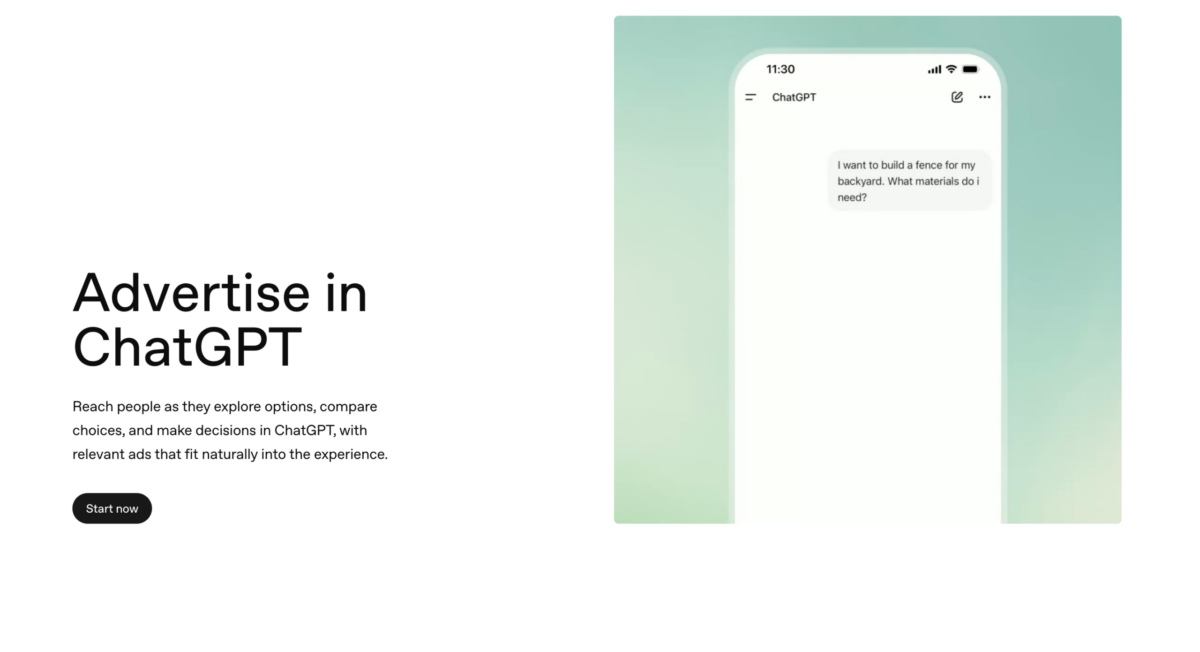
Traditionally, top of mind was measured by surveys: which brand came to mind spontaneously? Now, the dynamic has expanded. Artificial intelligences such as ChatGPT, Alexa, and Google Assistant base their responses on information circulating in digital culture. They learn from what is spoken, written, evaluated, and shared.
In other words, if your brand is remembered, talked about, and mentioned by people, it is also remembered by machines.
This gives rise to a new concept: Machine Brand Awareness. It is your brand’s ability to be recognized and recommended by artificial intelligence based on:
- Presence in reviews, blogs, social networks;
- Volume and quality of spontaneous mentions;
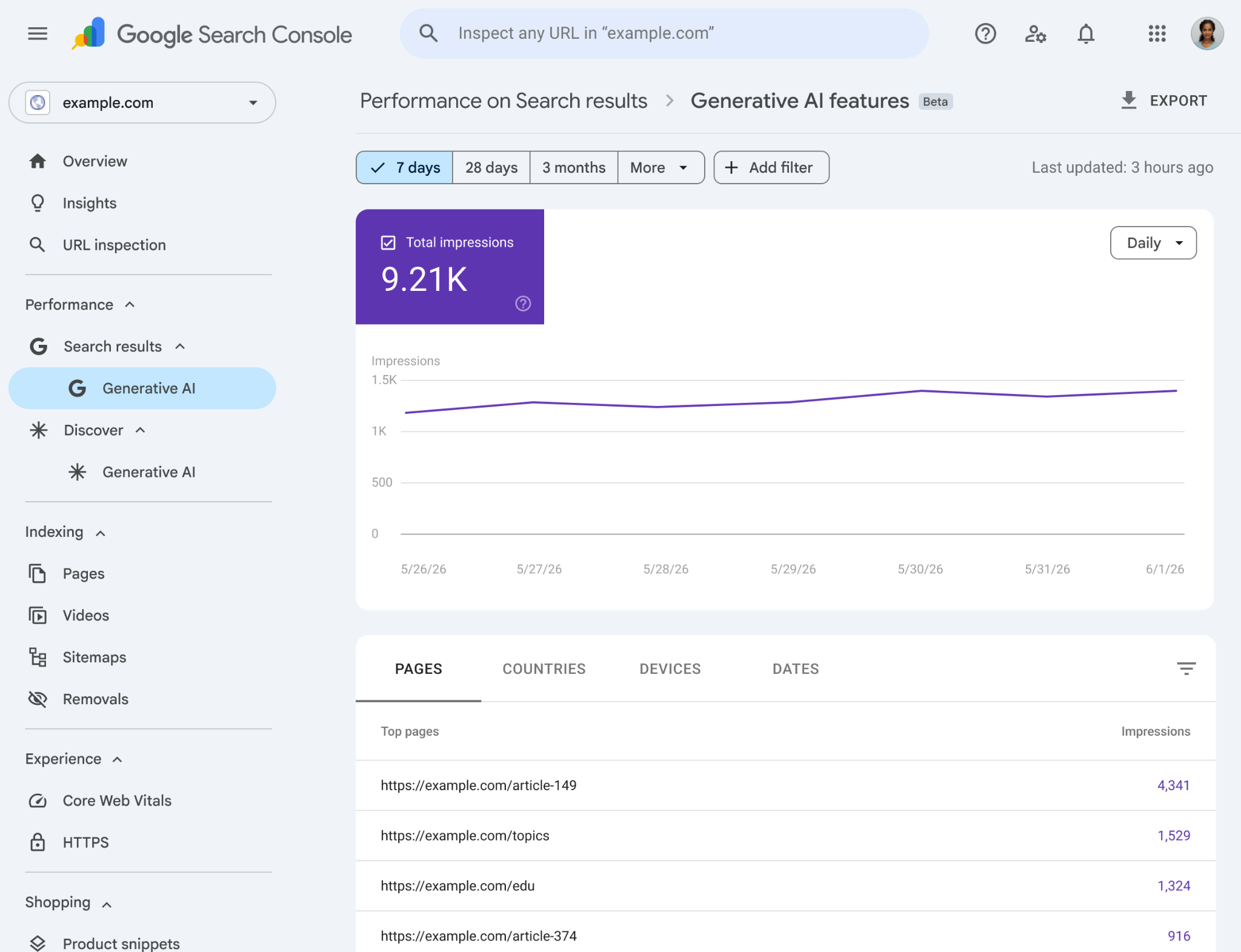
- Structured data and SEO optimization;
- Emotional signals: stories, experiences, narratives.
Why does this matter to your brand now?
Collective memory is being digitized
AIs learn from what we say. When a consumer writes about your brand, records a video praising your service, or mentions your name in a post, it becomes part of the database that trains the algorithms.
And the good news is that you can influence this.
Automated recommendations are the new SEO
If your brand isn’t suggested when someone asks an AI “what’s the best option for [your segment]?” you’re becoming invisible in a new frontier of marketing. And this kind of visibility can’t be bought with paid traffic: it’s earned through symbolic and structured presence.
How your brand can become unforgettable to humans and algorithms
1. Strengthen your symbolic presence
Machines learn from humans. That’s why your brand needs to be part of people’s conversations.
- Create campaigns with emotional narratives.
- Encourage user-generated content (UGC).
- Associate your brand with real cultural values.
The more your brand is mentioned with meaning, the more it will enter AI training flows.
2. Structure your digital presence for AIs
This goes beyond classic SEO. You need to think about how algorithms “read” and interpret your brand:
- Have consistent and detailed reviews on marketplaces and specialized websites.
- Structure your content with natural language and frequently asked questions.
- Be present in reliable sources that feed LLMs (large language models).
3. Optimize for real questions
Rewrite your content with the questions a consumer would ask a voice assistant in mind. For example:
- Instead of “Company X services,” use: “What is the best agency option for rebranding in Brazil?”
- Instead of “Learn about our product Y,” use: “How do I choose the ideal [product] for [situation]?”
This is the basis of what is called trainable content.
4. Monitor your algorithmic presence
Just as you track campaign KPIs, start tracking:
- Does your brand appear in ChatGPT or Gemini responses?
- What consumer questions could you answer better?
- Is your name present on websites and reviews that LLMs index?
Real cases that illustrate the strategy
- A local cosmetics brand encouraged customers to record “my routine with product X.” Result: increased mentions and inclusion in AI responses such as “which Brazilian moisturizer works well for oily skin?”
- An e-commerce company created a natural language FAQ blog. In less than 60 days, it appeared in AI responses to searches such as “best backpack for home office.”
Conclusion: Branding is merging with digital memory
The future is not just digital. It is algorithmic and symbolic. Brands that understand this are already occupying space in the human mind and in AI’s automated responses.
At Superplural, we believe that branding is more than visual identity or creative campaigns. It is building an emotional memory so strong that even algorithms cannot ignore it.
If your brand isn’t being remembered by AIs yet, the best time to start was yesterday. The second best is now.