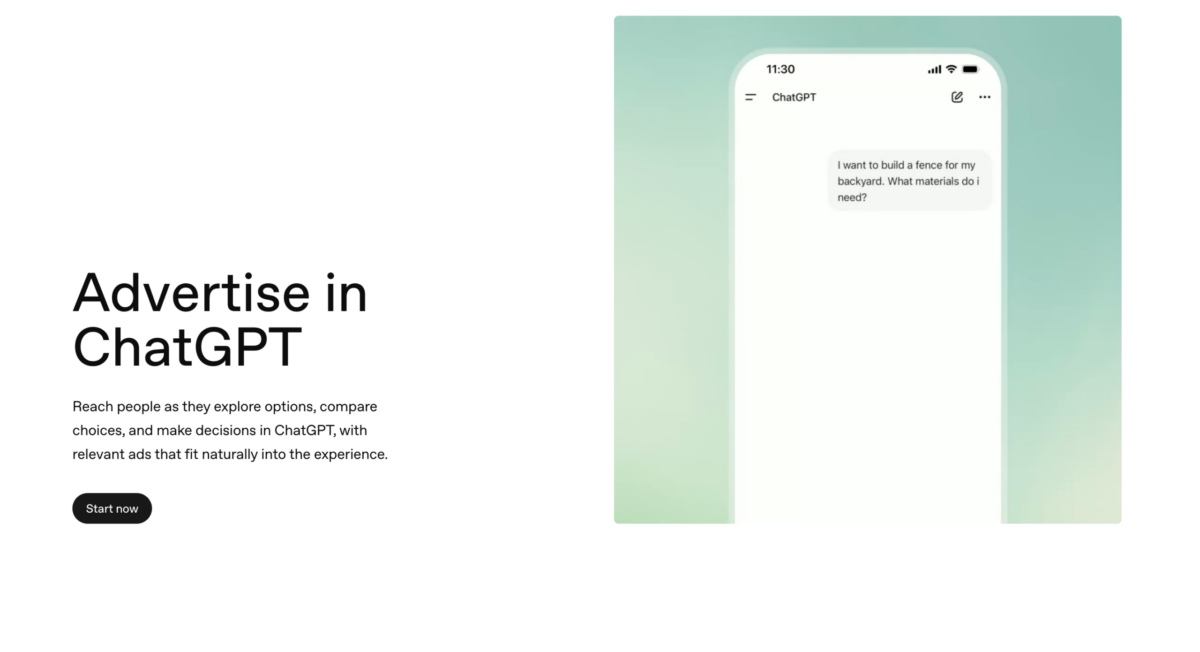

In the previous post, about GEO and the end of the click as a single metric, I left an unanswered question: how do you know whether your brand is being cited by ChatGPT, by Perplexity , or by Google’s AI Overviews? I started thinking about it after publishing, and realized the answer deserves an entire post, because the process is less obvious than it seems and more accessible than most people imagine.
Good news: there is already a whole market of tools being created for this. Bad news, at least for Brazil: most are still expensive, in English, and not well calibrated for queries in Portuguese. So before spending, it’s worth understanding the manual process that any agency or company can run today for free, and then decide whether it makes sense to automate it.
Why this matters more than it seems
The size of the problem justifies the attention. According to SparkToro’s analysis of Similarweb data, about 68% of Google searches between January and April 2026 ended with no click—a significant jump compared to the previous year. At the same time, ChatGPT reached about 900 million weekly active users in February 2026, Google’s Gemini surpassed 750 million monthly active users, and Google’s AI Overviews already reach more than 2 billion people per month.
This doesn’t mean traditional search is dead. It means an ever larger share of purchasing decisions is being influenced by a synthesized answer you don’t see, can’t control, and—if you don’t monitor it—don’t even know whether it’s mentioning you or ignoring you.
The difference between being mentioned and being cited
Before monitoring anything, it’s worth locking in a distinction that the AI visibility tools market has already established. Brand mention is when the AI’s response names your company, product, or domain within the text. A citation is when the response includes a linked source, a link, or a reference card pointing to your website. Both matter, but for different reasons: mentions build brand perception; citations generate real traffic, and they are the closest thing to the old organic click.
Where to ask: comparison of the main platforms
| Platform | Browse the web in real time | Cites sources with a link | Estimated reach |
|---|---|---|---|
| ChatGPT (with browsing) | Yes | Yes, sometimes | ~900 million weekly active users |
| Perplexity | Yes, by default | Yes, almost always | Declared focus on search with citation |
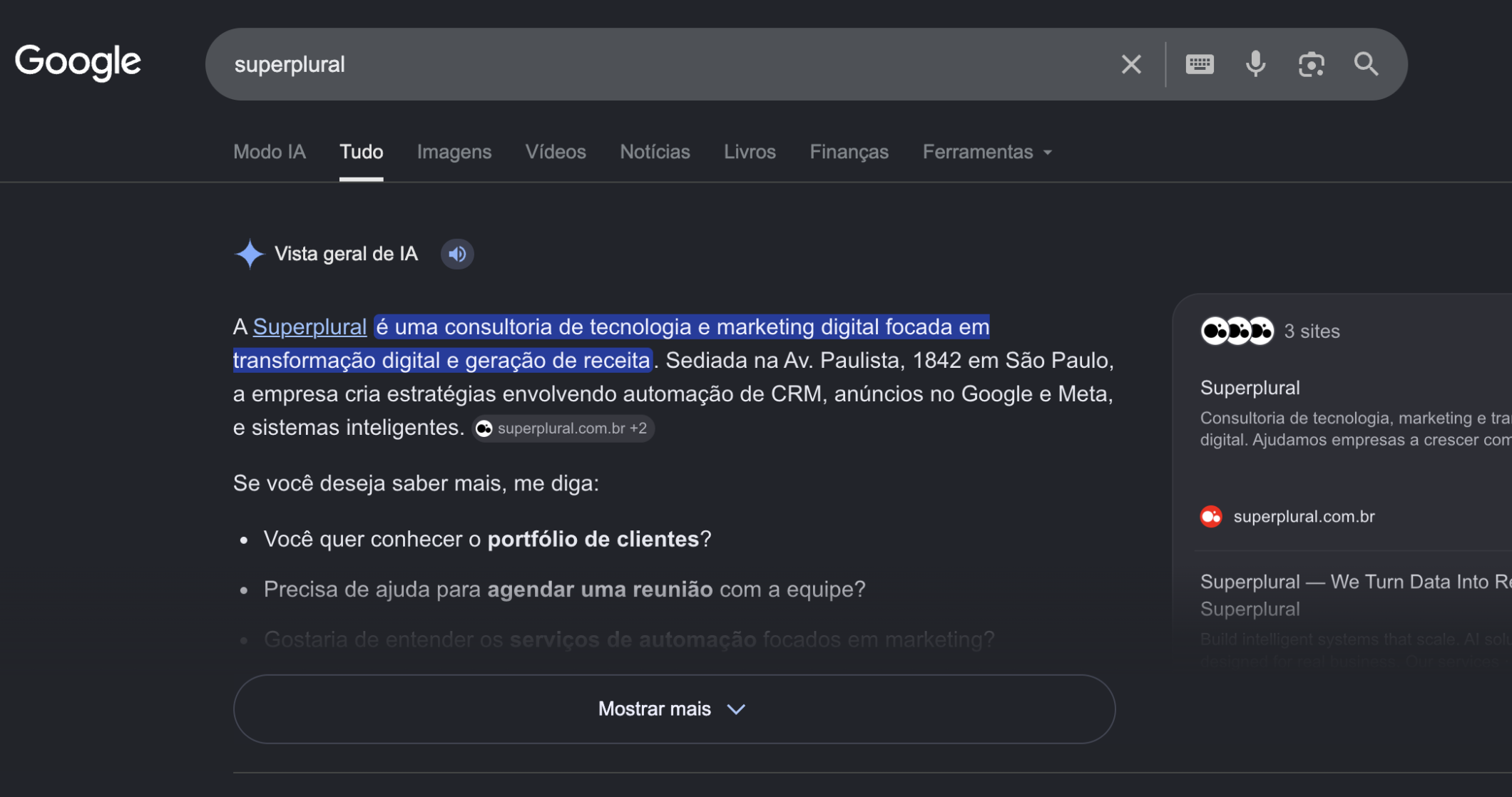
| Google AI Overviews | Yes | Yes, in a sources panel | 2+ billion people per month |
| Microsoft Copilot | Yes | Yes, sometimes | Integrated with Bing and Windows |
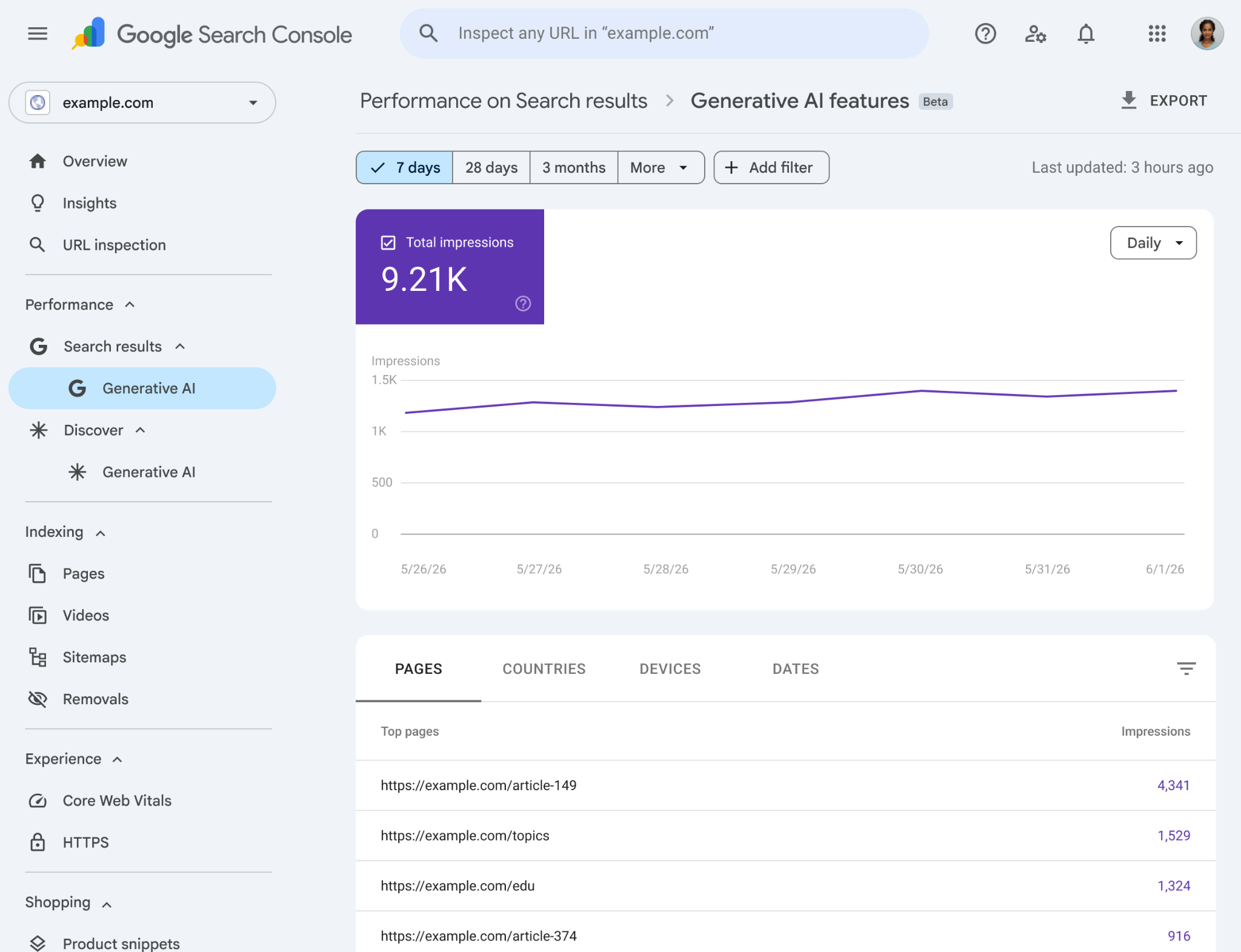
Notice that, to this day, there is nothing similar to the Google Search Console for this universe: a free, official tool that shows you exactly which queries brought you traffic. This is changing fast, with paid tools like Otterly, Profound, and Peec AI competing for this space, but for most Brazilian companies, the starting point is still manual.
The step-by-step manual process
A simple process to find out whether your brand is being mentioned or cited by the main search AIs, without having to hire any paid tool.
- List 10 to 15 real questions
Write the questions a potential customer would actually ask before buying from you—not SEO keywords. Think about comparison doubts, purchase concerns, and solving a specific problem in your industry.
- Run the same questions on the four platforms
Ask each question on ChatGPT with browsing enabled, on Perplexity, on Google (checking whether AI Overviews appears), and on Copilot. Always use a session with no prior history, so you don’t bias the answer with your own previous searches.
- Record three things per response
Note whether your brand was mentioned, whether it was cited with a link, and who else appeared in the response as a direct competitor. A simple spreadsheet with these three columns is already enough to get started.
- Repeat every two or four weeks
AI responses change as web content changes and as the models are updated. A single measurement doesn’t say much; the trend over time is what matters.
- Cross-check with Google Search Console
Compare the periods when you showed up more in AI responses with the variations in impressions and clicks in Search Console. This helps you understand whether earning AI citations is truly connected to more (or less) direct organic traffic.
The blind spot of watching who watches you
There’s a curious inversion in this exercise that’s worth recording. For years, marketing metrics have been about watching the customer’s behavior: clicks, scroll, time on page. Now, part of the work has turned into watching the behavior of a system that decides for you what the customer will see. It’s not quite the panopticon Foucault described, where a central power silently observes everyone; it’s almost the opposite: the brand is the one that needs to investigate, blindly, how an opaque system is representing it to third parties. This inversion—of who watches whom—is uncomfortable, but it’s the game that’s on the table.
What I think about it
I’ll be direct: this manual process doesn’t scale infinitely, and tools like Otterly and Profound exist precisely because monitoring it by hand becomes unfeasible after a certain volume of brands or queries. But I also don’t think it’s right to sell a typical Brazilian client a tool subscription in dollars before showing that the manual process, done with discipline, already delivers enough signal for the first few months. I started applying this with Superplural itself before writing this post, and repeating it every two weeks matters more than the tool’s sophistication.
The real risk isn’t using the wrong method. It’s treating this as vanity—just another pretty report number—without connecting it to the underlying work that makes a brand worth being cited. Monitoring without adjusting the content is only looking at the thermometer without treating the fever.